
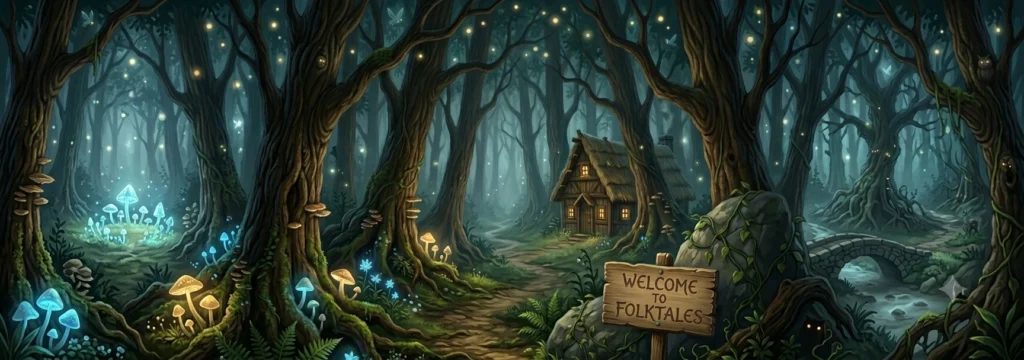
At first glance, folklore and mythology seem like two sides of the same coin—both filled with stories of gods, spirits, heroes, and mysteries. But when we look closer, they come from different roots and serve different purposes in human culture.
Mythology is the sacred storytelling system of a culture. These are ancient narratives that explain the origin of the world, natural phenomena, and the existence of gods and divine beings. Myths are often tied to religion and belief systems. For example, stories about how the universe was created, why the sun rises, or how death came into existence fall under mythology. These stories were once believed to be true and were deeply respected as part of spiritual life.
On the other hand, folklore is the everyday storytelling tradition of the people. It includes folktales, legends, proverbs, songs, and local beliefs passed down through generations, mostly by word of mouth. Folklore reflects the lifestyle, values, fears, and humor of common people. Unlike mythology, folklore is not always sacred or religious—it can be entertaining, moral, or even humorous.
Key Differences:
- Purpose:
Mythology explains cosmic truths and divine origins.
Folklore reflects human life, culture, and social values. - Belief System:
Myths were often considered sacred and true.
Folklore may or may not be believed—it’s often symbolic or moral. - Characters:
Mythology features gods, demi-gods, and supernatural creators.
Folklore includes ordinary people, tricksters, spirits, and local heroes. - Transmission:
Mythology is often preserved in written religious texts.
Folklore is mainly passed orally from generation to generation.
In Simple Words:
Mythology tells us how the world began.
Folklore tells us how people lived within that world.
Both are important because together they shape the identity of a culture. Mythology gives a civilization its cosmic meaning, while folklore gives it a human voice.
In every village, every family, and every generation, folklore continues to evolve—while mythology remains a timeless foundation of belief.
Conclusion:
If mythology is the sky full of gods and origins, folklore is the earth filled with people and their stories. One explains existence, the other expresses experience. Together, they form the soul of tradition.