
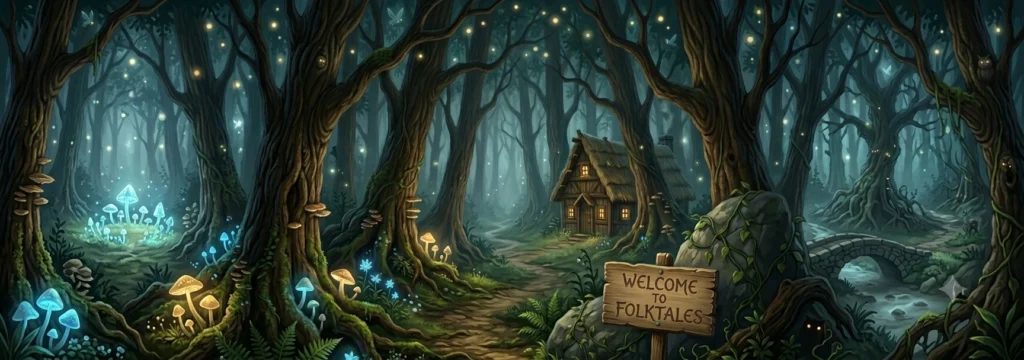
Folklore is the living voice of a culture stories, beliefs, customs, and traditions passed from one generation to the next. Long before written history, people used storytelling to explain the world, preserve their identity, and teach values. Even today, folklore continues to influence literature, cinema, rituals, and everyday life.
In this guide, we’ll explore the major types of folklore and understand how each one shapes cultural storytelling.
1. Myths: Stories of Gods and Creation
Myths are sacred narratives that attempt to explain the origins of the universe, natural phenomena, and the role of divine beings. These stories were often believed to be true by the communities that created them.
Myths typically involve gods, cosmic events, and supernatural forces. They answer deep questions such as: How was the world created? Why do natural disasters happen? What is the purpose of human life?
For example, many cultures have creation myths describing how the world came into existence. In Indian tradition, stories of deities like Shiva or Vishnu play a central role in mythological storytelling.
2. Legends: A Blend of History and Imagination
Legends are stories that are partly based on real people, places, or events but are exaggerated over time. Unlike myths, legends are usually set in a recognizable historical period and location.
These stories often focus on heroes, kings, warriors, or saints. While they may contain supernatural elements, they are generally presented as if they could have actually happened.
Famous examples include stories of heroic figures like King Arthur or regional heroes whose tales are passed down through generations. In Kerala, many local legends revolve around temple histories and ancestral figures.
3. Folktales: Stories for Entertainment and Wisdom
Folktales are simple, traditional stories told mainly for entertainment, often carrying moral lessons. They are not considered historical or factual but are rich in cultural values and life teachings.
These stories frequently feature ordinary people, animals, or clever characters who overcome challenges using wit and intelligence. Folktales are easy to remember and are often shared orally among families and communities.
Popular examples include Panchatantra stories, which use animals to convey moral lessons about life, relationships, and decision-making.
4. Fairy Tales: Worlds of Magic and Fantasy
Fairy tales are a type of folktale that includes magical elements such as fairies, witches, enchanted objects, and imaginary kingdoms. These stories are especially popular among children but often contain deeper symbolic meanings.
Fairy tales usually follow a clear structure of good versus evil, where the protagonist faces challenges and ultimately achieves a happy ending. They emphasize hope, transformation, and justice.
Stories like Cinderella or Snow White are classic examples, but similar magical narratives exist in every culture.
5. Fables: Short Stories with Strong Moral Lessons
Fables are brief stories designed to teach a specific moral lesson. They often feature animals that behave like humans, making the message simple and easy to understand.
Unlike folktales, fables are more direct in delivering their lesson. The moral is sometimes explicitly stated at the end of the story.
Well-known examples include “The Tortoise and the Hare” and “The Lion and the Mouse,” which teach values like patience, humility, and kindness.
6. Folk Songs and Oral Traditions
Folklore is not limited to stories it also includes songs, chants, proverbs, and oral traditions. These forms are passed down by word of mouth and are deeply connected to everyday life.
Folk songs often reflect emotions, occupations, rituals, and seasonal changes. They are performed during festivals, work, or special occasions and serve as a way to preserve language and cultural identity.
Oral traditions ensure that knowledge and heritage survive even without written records.
7. Rituals, Beliefs, and Cultural Practices
Another important aspect of folklore is the set of rituals, beliefs, and practices followed by communities. These include religious ceremonies, superstitions, and traditional customs.
Such practices are often rooted in ancient beliefs and continue to be part of daily life. They connect people to their ancestors and cultural heritage.
Examples include temple rituals, seasonal festivals, and practices like snake worship in certain regions of India.
Conclusion
Folklore is much more than just storytelling it is a complete system of cultural expression. From myths that explain the universe to folktales that teach life lessons, each type of folklore plays a unique role in shaping human understanding and identity.
In today’s fast-changing world, folklore remains relevant by influencing modern media, inspiring creative works, and preserving the wisdom of the past. Understanding its different forms helps us appreciate the richness and diversity of cultures around the globe.