
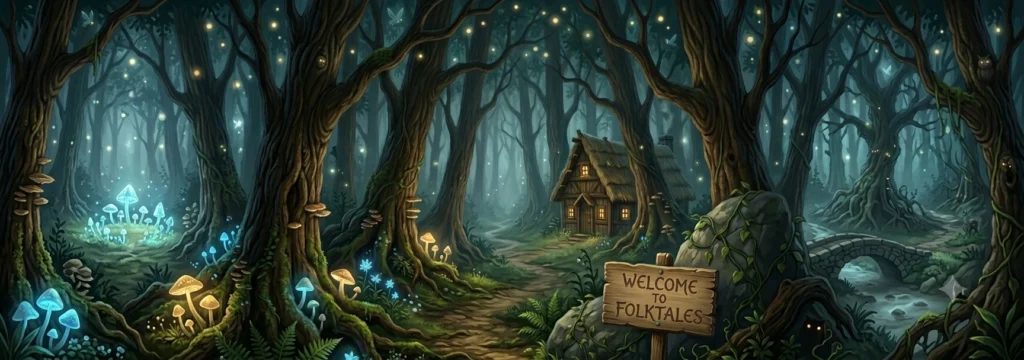
Folklore is everywhere—woven into the stories we hear as children, the festivals we celebrate, the beliefs we carry, and even the small sayings we use in daily life. It is not just about old tales or mythical creatures; folklore is the living heartbeat of culture, passed from one generation to the next.
This beginner-friendly guide will help you understand what folklore is, its key elements, types, and why it still matters today.
What is Folklore?
Folklore refers to the traditional beliefs, stories, customs, and practices shared by a group of people. These are usually passed down orally—through storytelling, songs, rituals, and cultural expressions.
It reflects:
- A community’s values and beliefs
- Their fears, hopes, and imagination
- Their connection to nature, spirituality, and society
In simple terms, folklore is the collective memory of a culture
Core Components of Folklore
Folklore is made up of several important elements:
1. Oral Traditions
These include:
- Myths and legends
- Folk tales and fables
- Songs and ballads
They are shared by word of mouth and often change slightly over time.
2. Customs and Rituals
These are traditional practices such as:
- Festivals
- Ceremonies
- Community rituals
They bring people together and strengthen cultural identity.
3. Beliefs and Superstitions
Folklore often includes:
- Beliefs about luck and fate
- Spiritual ideas
- Supernatural explanations of events
4. Material Culture
This includes physical objects like:
- Clothing and ornaments
- Tools and crafts
- Cultural symbols
Primary Types of Folklore
Folklore can be broadly categorized into three main types:
1. Narratives
Stories that entertain, teach, and explain the world:
- Mythology – Stories about gods and creation
- Legends – Tales of heroes and historical events
- Fairy Tales – Magical stories with moral lessons
- Fables – Short stories with animals and clear morals
2. Short Expressions
Brief but meaningful forms of wisdom:
- Proverbs
- Riddles
- Sayings and idioms
3. Performance Arts
Cultural expressions through performance:
- Folk songs and music
- Traditional dances
- Ritual performances
Mythical Creatures in Folklore
Many cultures include fascinating supernatural beings, such as:
- Spirits and ghosts
- Hybrid creatures (like centaurs or griffins)
- Water beings (like mermaids)
- Undead figures (like vampires or zombies)
These creatures often symbolize fears, morals, or natural forces.
🇮🇳 A Glimpse into Indian Folklore
Indian folklore is rich and diverse, with unique regional characters such as:
- Yakshi – A mystical female spirit in Kerala folklore
- Mohini – A divine enchantress
- Odiyan – A shape-shifter with magical powers
- Boha – A sleep paralysis spirit
These stories reflect deep cultural and spiritual traditions.
Functions and Importance of Folklore
Folklore is not just entertainment—it serves many purposes:
- Preserves cultural identity
- Passes knowledge across generations
- Strengthens community bonds
- Explains natural and unknown phenomena
- Provides emotional comfort and guidance
How Folklore is Transmitted
Folklore survives through:
- Storytelling within families
- Cultural performances and festivals
- Documentation and research
- Digital archiving and education
Why Folklore Still Matters Today
In the modern world, folklore continues to be relevant because it:
- Inspires literature, films, and art
- Helps people stay connected to their roots
- Encourages creativity and imagination
- Teaches moral lessons in simple ways
- Builds a sense of identity and belonging
Final Thoughts
Folklore is more than just stories from the past—it is a living tradition that evolves with time. It connects generations, preserves heritage, and reminds us of who we are.
As we move forward in a fast-changing world, keeping folklore alive is essential. Listen to stories, share them, and pass them on—because every story deserves to be remembered.
“Folklore is the soul of a culture, the mirror of a people, and the bridge between past and future.”