
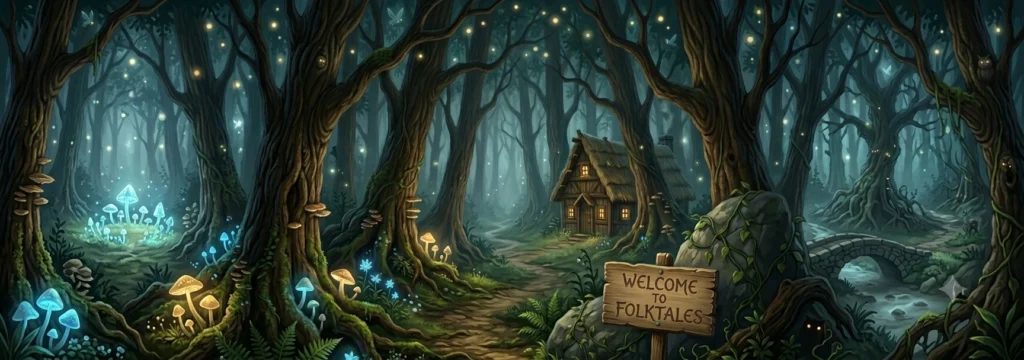
Across the world, certain places carry an eerie reputation—abandoned forts, ancient castles, silent forests, and forgotten villages. These “haunted places” are more than just spooky destinations; they are deeply rooted in folklore, cultural beliefs, and historical tragedies.
From ghostly apparitions to cursed lands, these stories have been passed down through generations, blending history with imagination. But what exactly makes a place “haunted”? Let’s explore the origins behind some of the world’s most mysterious locations.
The Role of Folklore in Haunted Places
Folklore forms the backbone of most haunted legends. Before scientific explanations existed, people interpreted strange events—like unexplained sounds, illnesses, or sudden deaths—through spirits, curses, and supernatural forces.
These stories often emerge from:
- Violent historical events (wars, executions, murders)
- Tragic personal stories (love, betrayal, loss)
- Religious rituals and beliefs
- Fear of unknown environments (forests, ruins, isolated areas)
Over time, storytelling transforms these incidents into powerful myths that define a location’s identity.
Famous Haunted Places and Their Origins
Bhangarh Fort – The Cursed Kingdom
Located in Rajasthan, Bhangarh Fort is widely considered India’s most haunted place. According to legend, a sorcerer fell in love with a princess and attempted to enchant her. When his plan failed, he cursed the entire town before dying. Soon after, the city was destroyed.
Folklore Origin: Curse of a rejected tantric
Modern Belief: Entry is restricted after sunset

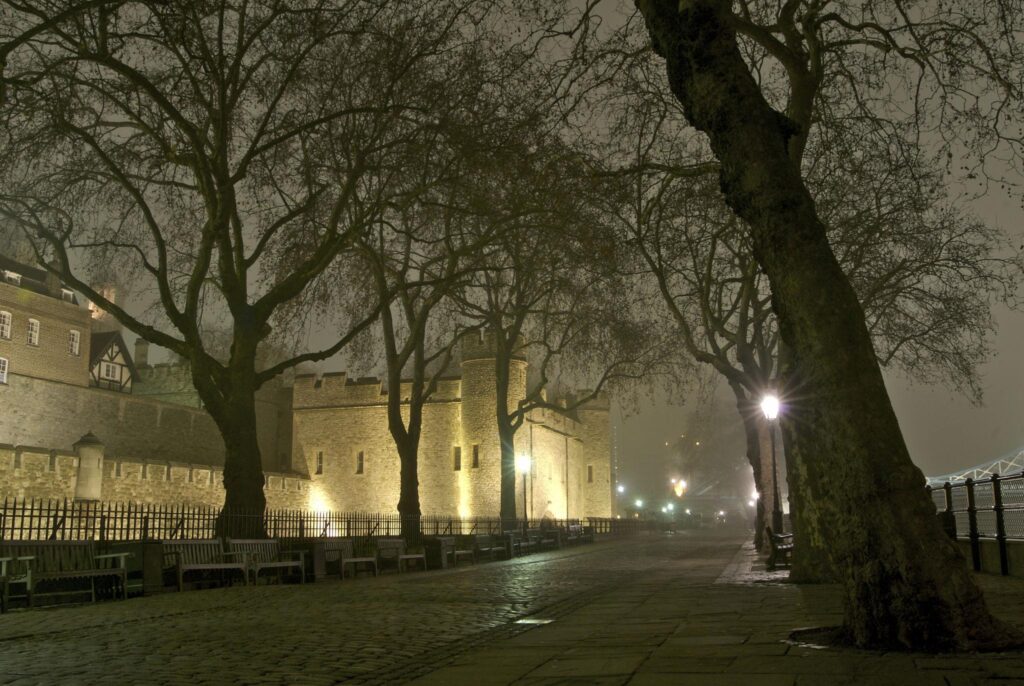
Tower of London – Echoes of Execution
This historic fortress has witnessed numerous executions, including that of Anne Boleyn. Many visitors and guards have reported seeing her ghost walking through the tower.
Folklore Origin: Spirits of executed prisoners
Famous Ghost: Anne Boleyn
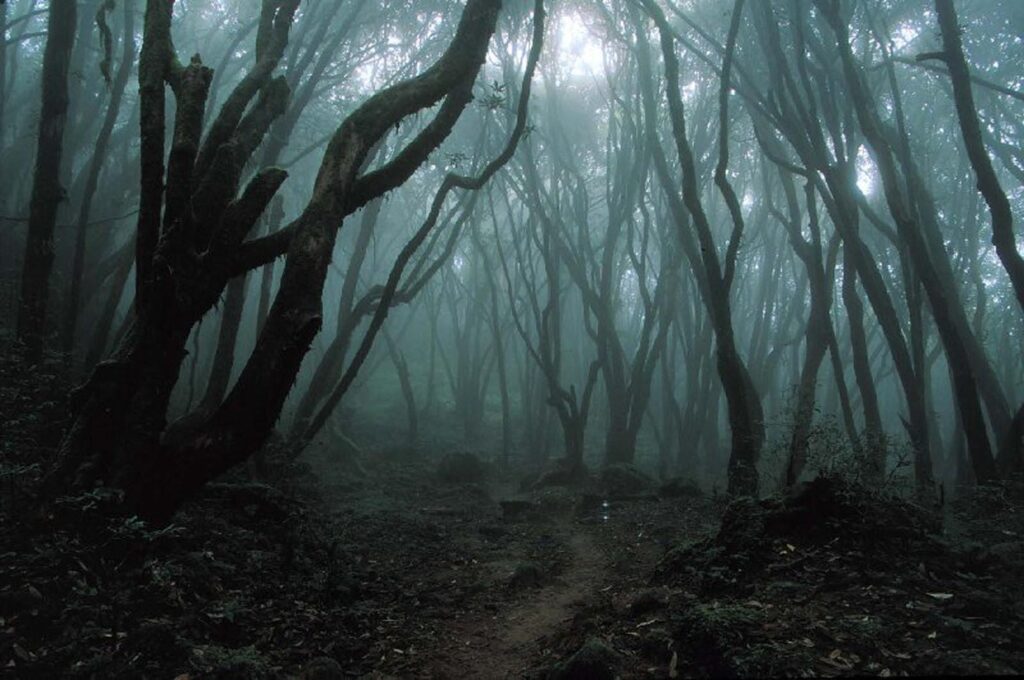
Aokigahara Forest – The Silent Woods
Situated at the base of Mount Fuji, this dense forest is known for its unusual silence and tragic associations. In Japanese folklore, it is believed to be inhabited by Yūrei, or restless spirits.
Folklore Origin: Spirits of the dead (Yūrei)
Cultural Theme: Isolation and despair
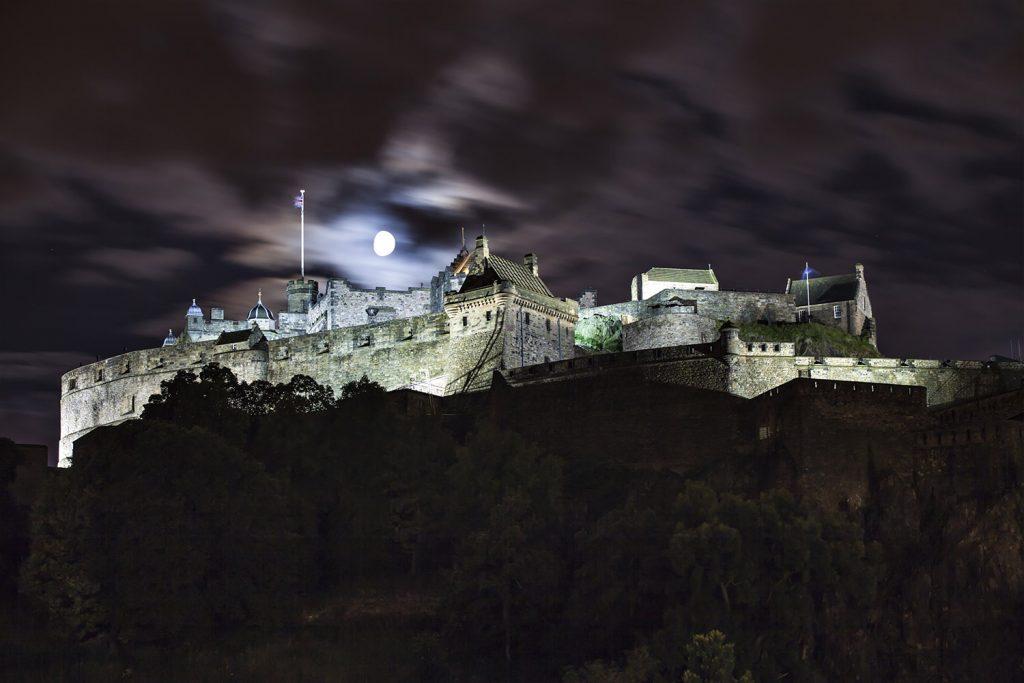
Edinburgh Castle – Haunted Stronghold
Perched on volcanic rock, Edinburgh Castle has a long history of war and imprisonment. Visitors often report paranormal activity, including sightings of ghostly soldiers and mysterious sounds.
Folklore Origin: War, death, and imprisonment
Reported Activity: Apparitions and unexplained noises
Why Do People Believe in Haunted Places?
Even in modern times, belief in haunted places continues due to a mix of psychological and environmental factors:
- Fear of the unknown
- Influence of cultural storytelling
- Darkness, silence, and isolation
- Natural phenomena misinterpreted as supernatural
Human perception often fills gaps in understanding with imagination.
Folklore vs Reality
Science explains many “haunted” experiences through natural causes such as sound vibrations, lighting conditions, or psychological suggestion. However, folklore adds emotional depth and cultural meaning that science alone cannot provide.
Haunted places exist between belief and reality, shaped by both human experience and imagination.
Cultural Significance of Haunted Stories
Haunted folklore serves multiple purposes beyond entertainment:
- Preserves local history
- Passes down moral lessons
- Strengthens cultural identity
- Encourages tourism and curiosity
These stories keep traditions alive while attracting modern interest.
Conclusion
Haunted places are not just about fear—they are reflections of human emotions, history, and cultural storytelling. Whether viewed as supernatural or symbolic, their folklore origins offer deep insights into how societies understand the unknown.
The next time you hear a ghost story, remember—it carries more than fear; it carries history, belief, and imagination.