

Introduction
Kerala, known for its vibrant traditions and temple festivals, is home to many unique cultural practices. One such rare and fascinating ritual is Aanayoottu, a sacred elephant feeding festival that beautifully reflects the deep bond between humans, animals, and spirituality.
This centuries-old tradition is not just a visual spectacle but also a meaningful ritual rooted in devotion, Ayurveda, and cultural heritage.
What is Aanayoottu?
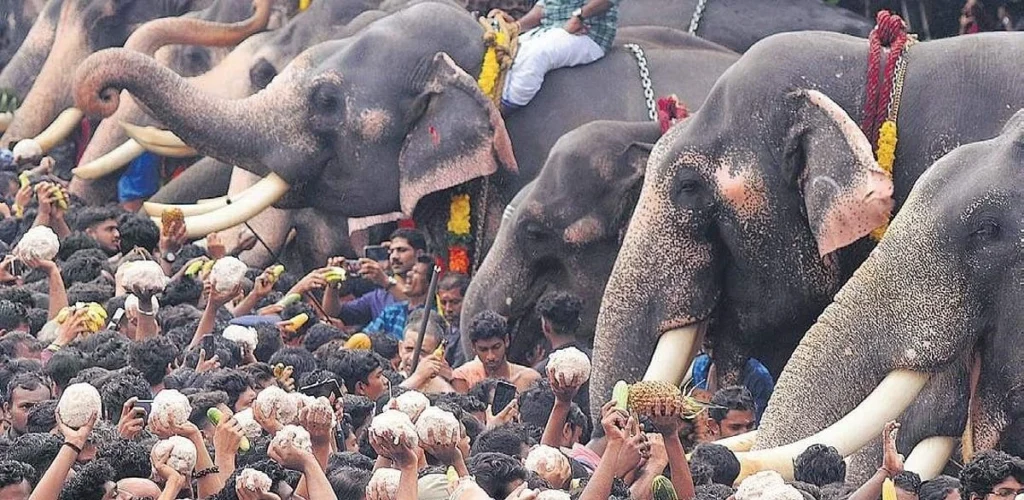
Aanayoottu (ആനയൂട്ടു) literally means “feeding of elephants” (“Aana” = elephant, “Oottu” = feeding). It is a temple ritual where elephants are ceremonially fed as an offering to the divine.
Unlike grand elephant processions seen in festivals, Aanayoottu focuses on care, nourishment, and respect for elephants, which hold a sacred place in Kerala’s religious traditions.
Where is Aanayoottu Celebrated?
The most famous Aanayoottu is held at the Vadakkunnathan Temple in Thrissur, one of Kerala’s oldest and most revered Shiva temples.
Other temples across Kerala also conduct similar rituals, but the Thrissur Aanayoottu is the most popular and widely attended.
When is Aanayoottu Celebrated?
Aanayoottu takes place on the first day of the Malayalam month Karkkidakam (usually July).
Karkkidakam is traditionally considered a month of healing and rejuvenation in Kerala. During this time, people follow Ayurvedic practices for physical and spiritual well-being—Aanayoottu extends this care to elephants as well.
How is Aanayoottu Celebrated?
The ritual follows a structured and sacred process:
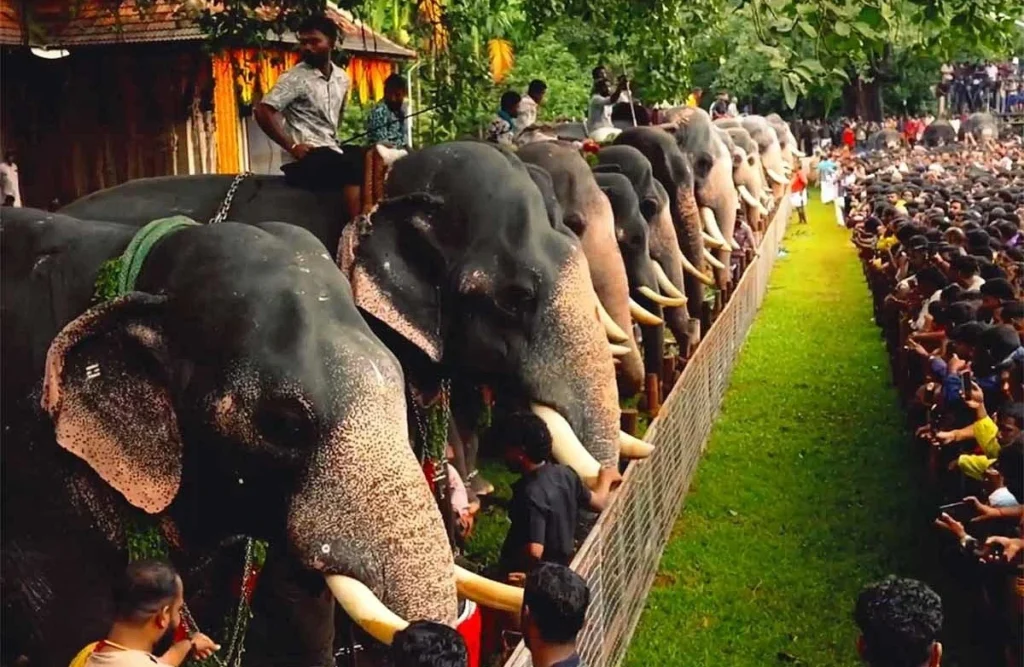
- Elephants are brought into the temple premises and lined up in rows
- Special rituals like Ganapathi Homam and Gaja Pooja are performed
- The chief priest feeds the first elephant, marking the beginning
- Devotees then participate in feeding the elephants
Food Given to Elephants
The elephants are fed a nutritious and rich mixture, including:
- Cooked rice
- Jaggery
- Coconut
- Bananas and other fruits
- Sugarcane
- Ayurvedic herbs
This diet is designed to promote health, digestion, and strength, aligning with Kerala’s Ayurvedic traditions.
Spiritual Significance of Aanayoottu
Aanayoottu holds deep religious meaning in Hindu culture:
- Elephants are associated with Lord Ganesha, the remover of obstacles
- Feeding elephants is believed to bring prosperity and blessings
- It symbolizes gratitude, compassion, and harmony with nature
For devotees, participating in Aanayoottu is considered an act of punya (spiritual merit).
Cultural Importance in Kerala
Aanayoottu is more than a ritual—it is a cultural identity:
- It showcases Kerala’s reverence for elephants
- It attracts thousands of devotees and tourists
- It highlights the integration of tradition, religion, and Ayurveda
The festival also emphasizes ethical care and nourishment rather than decoration, making it unique among elephant-related celebrations.
Why Aanayoottu is Unique
What sets Aanayoottu apart from other festivals?
- Focus on feeding and caring, not showcasing elephants
- Strong link to Ayurvedic healing practices
- A rare ritual that blends animal welfare with spirituality
- A peaceful, devotional atmosphere instead of grand celebration
Conclusion
Aanayoottu is a beautiful example of Kerala’s cultural depth, where devotion goes beyond rituals to include care for living beings. It is not just about feeding elephants it is about respecting nature, honoring tradition, and seeking blessings through compassion.
If you ever visit Kerala during Karkkidakam, witnessing Aanayoottu is a truly enriching experience that connects you to the heart of Kerala’s spiritual heritage.